How NCC 2025 Changes Affect Engineering and Compliance
June 13, 2026
Industry Insights
The National Construction Code (NCC) 2025 introduces a range of updates that will impact the way residential and commercial projects are designed, documented and approved across Australia. While many of the changes focus on broader construction compliance, there are several important updates that directly affect structural engineering, wind design, hydraulic coordination and engineering documentation.
It’s important to note that the changes to AS1170.2, AS4055 and AS1684 were implemented by STA Consulting Engineers when the amendments were introduced in 2023-2024.
When Does NCC 2025 Apply?
NCC 2025 has now been released, however adoption dates vary between states and territories. Queensland is expected to adopt NCC 2025 from May 2027, meaning NCC 2022 will remain in effect until that time.
This transition period means builders, developers, designers and certifiers may be working across multiple NCC versions depending on project timing and approval pathways. The use of a new NCC version is typically triggered by the formal lodgement date of your Development Application (DA), Works Application, or the date your building approval/construction certificate is officially issued, rather than the date your private certifier is first engaged. We advise our clients to check with their certifier to find out which NCC version is applicable for your project.
How will this affect your orders with STA?
STA Consulting will continue to reference NCC22 as part of design certification during this transition period unless notified otherwise in job request.
Please note that this will mainly only affect STA Consulting Engineers hydraulic and plumbing designs, with negligible impacts to structural design.
Changes to Performance Solutions
One of the more significant updates under NCC 2025 involves stricter assessment requirements for Performance Solutions.
Under the new code, Performance Solutions for structural and fire will no longer be permitted to rely solely on expert judgement as an assessment method. Proposed performance solutions for structural will need to demonstrate equivalent or higher performance to the deemed to satisfy. Hydraulic Performance Solutions offered by STA will typically remain unaffected.
Updates to Australian Standards
NCC 2025 references several updated Australian Standards that directly affect structural and hydraulic engineering design.
AS/NZS 1170.2:2021 – Structural Design Actions, Part 2: Wind Actions
(including Amendment 1:2023 and Amendment 2:2024)
The key changes relating to this standard include:
Minor changes to wind direction multipliers, changing some AS1170.2 wind speeds.
We expect no significant impact on our customers.
AS 4055:2021 – Wind Loads for Housing (including Amendment 1:2024)
The changes to AS/NZS 1170.2 relating to wind regions and multipliers have been reflected in AS 4055.
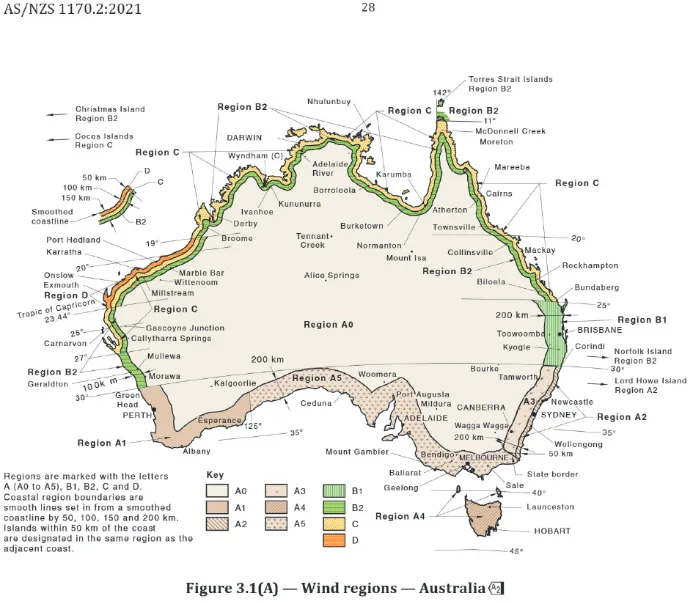
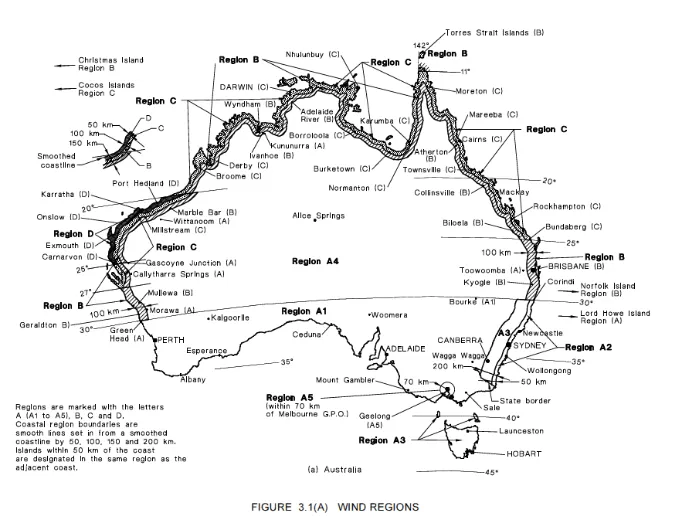
Changes to wind region boundaries (refer to the new and old boundaries below). For Queensland cyclonic regions, the region between 50-100km from the coastline in now cyclonic region B2. Previously this was regarded as non-cyclonic.
Clarification that this code is specifically for Class 1 buildings (houses and attached townhouses) and Class 10a buildings (domestic outbuildings such as carports, garages and sheds).
We expect no significant impact on our customers.
AS 1684:2021 – Residential timber-framed construction (Part 2 & 3)
The key changes relating to this standard include:
Editorial revisions and some technical changes to correct mistakes and clarify the application of the document.
Amended Section 5: Flooring and Decking to remove ambiguities and reflect current research and experience, supporting a quieter and more robust floor. The changes include
Clarification of expansion joints and notes about high humidity environments.
Changes in the required nailing for boards 65-85mm. Previous noted as 1-2 nails, now specifically two nails.
Glue adhesive required in conjunction with nailing to minimise squeaking.
Specifying ply underlays.
Stricter fixing of the ply underlay to joists for high density tongue and groove flooring.
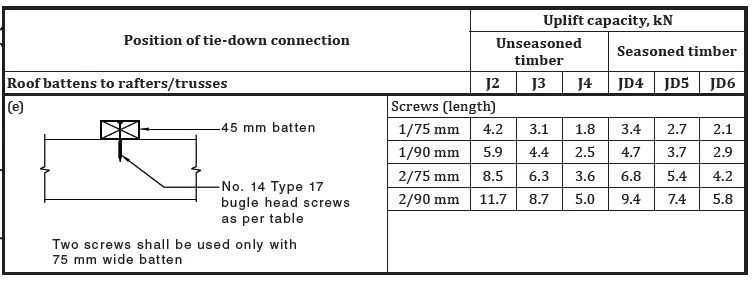
Amended Table 9.25 of AS 1684.2 to include suitable nail and screw fixings for 45mm thick roof battens.
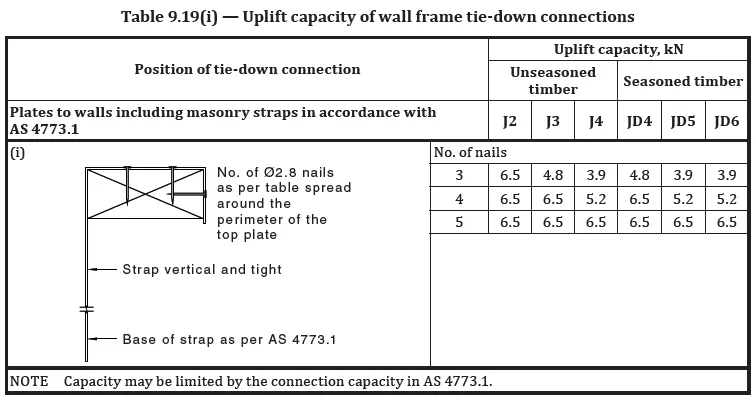
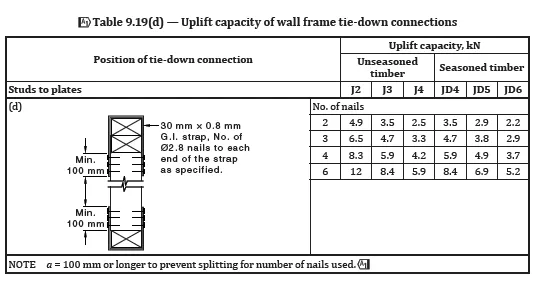
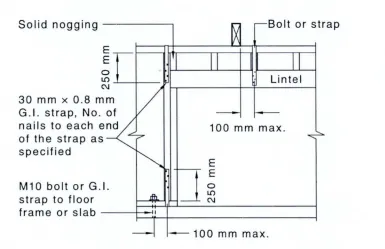
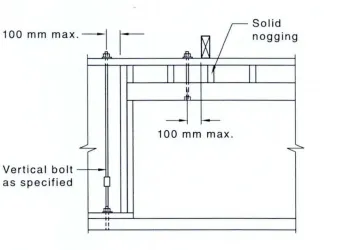
Amended to provide a suitable deemed-to-satisfy detail for metal tiedown to timber connections that is compatible with AS 4773.
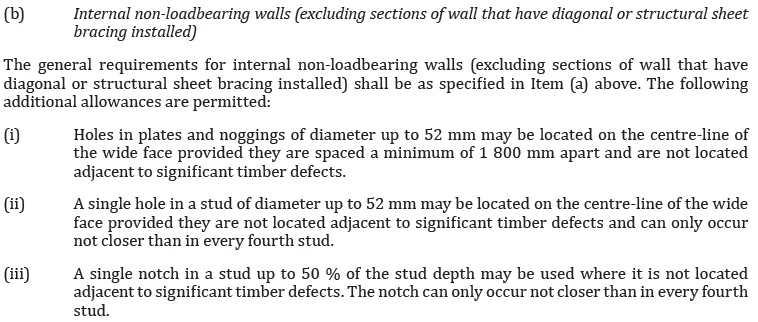
Relaxed notching requirements for non-loadbearing walls.
It should be noted that typically these changes will have no material impact on the designs you receive from STA.
NCC 2025 also references updates to AS/NZS 3500 relating to plumbing and drainage requirements.
These changes typically affect the following areas:
Hot water systems are likely to be the biggest visible change for clients. The shift away from gas continues, and heat pump hot water is now effectively the default for new homes. This means a higher upfront cost than the gas instantaneous units many clients are used to, a larger physical footprint that needs to be allowed for early in the design, and slower recovery rates, making correct sizing more important.
Bathroom and kitchen fixtures are also affected, with tighter rules on hot water delivery temperatures, including a maximum of 50°C at fixtures used for personal hygiene. For most new homes this is already standard, but older renovation projects may require tempering valves to be added where they were not previously needed.
Rainwater tanks and reuse are covered by clearer requirements where rainwater is connected to toilets, laundry or irrigation. The updated framework is more defined, which can make these systems easier to design and approve for clients seeking sustainability outcomes.
Roof drainage and stormwater requirements have also been updated. New rainfall data means roof drainage systems may need greater capacity, including larger gutters and downpipes, particularly on homes with box gutters or complex roof forms. Overflow requirements for box gutters and concealed gutters are also stricter, and in Queensland the updated BOM rainfall intensities increase design rates in many areas.
How STA Consulting Engineers Can Help
STA Consulting Engineers provides structural, hydraulic and geotechnical engineering services across residential, commercial and industrial projects throughout Queensland and NSW.
As NCC 2025 approaches adoption, our team continues to stay across evolving compliance requirements and Australian Standards to deliver practical, compliant and buildable engineering solutions for our clients.
When Are Piers Required? Piering / piling is generally required where near-surface soils are not suitable to support structural loads or susceptible to unsatisfactory levels...
Design documentation glossary The following are definitions of words commonly used in site classification reports and other engineering documentation. Allowable Bearing Capacity Maximum bearing pressure...